How to Dispute an Error on Your Credit Report (Step by Step, for Free)
Found a mistake on your credit report? Dispute it for free with Equifax, Experian and TransUnion: what proof to send and what to do if it isn't fixed.
A step-by-step guide to building U.S. credit with no history: secured cards, credit-builder loans, using an ITIN, and the mistakes to avoid.
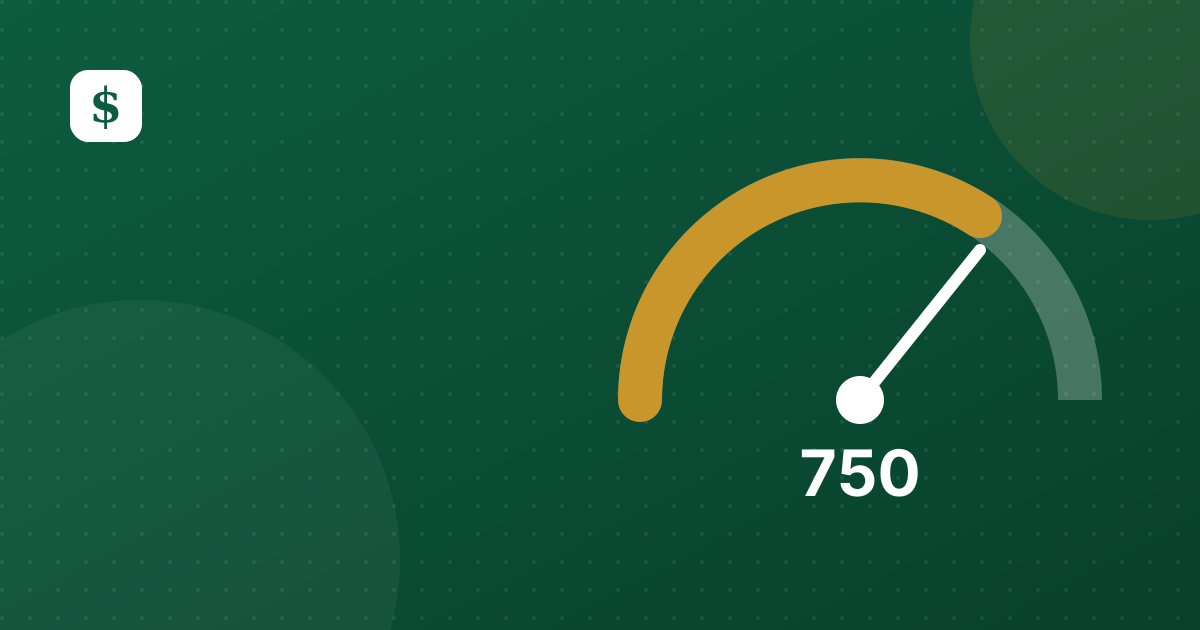
In the United States, your credit history affects almost everything: renting an apartment, financing a car, getting a good credit card, signing up for a phone plan and sometimes even what you pay for insurance. If you just arrived in the country or have never had a credit card, you probably don’t have a score yet. That doesn’t mean you have “bad credit” — lenders simply don’t have any information about you.
The good news: with the right steps you can have a score in about 6 months and good credit within one to two years.
The most widely used score is the FICO Score, which ranges from 300 to 850. It’s calculated from the information lenders report to the three credit bureaus: Equifax, Experian and TransUnion.
According to FICO, your score is based on five factors:
| Factor | Approximate weight | What it means |
|---|---|---|
| Payment history | 35% | Whether you pay on time |
| Amounts owed | 30% | How much of your available credit you use |
| Length of credit history | 15% | How long your accounts have been open |
| New credit | 10% | Recent applications and new accounts |
| Credit mix | 10% | Your mix of cards, loans and so on |
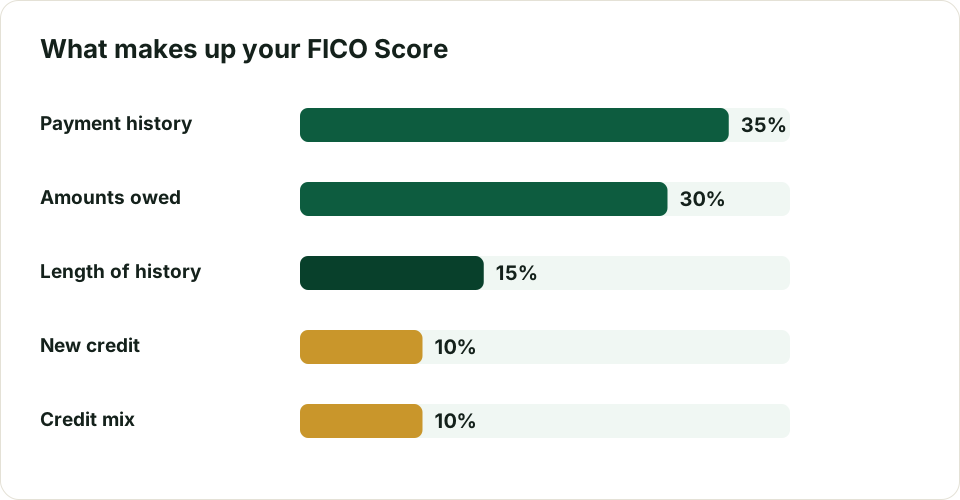
Notice that paying on time and using little of your limit make up almost two-thirds of the score. Master those two habits and you’re most of the way there.
To generate a FICO score you generally need at least one account that has been open for about 6 months and activity reported within the last 6 months.
To apply for credit, lenders need to identify you:
A checking or savings account doesn’t build credit on its own, but it helps you:
Credit unions are often more flexible with people who are starting from zero.
With a secured credit card, you put down a security deposit — say $200 or $300 — which usually becomes your credit limit. You use it like a regular card, and the issuer reports your payments to the credit bureaus.
Offered by many credit unions and some online banks. It works the opposite way from a normal loan: the money is held in an account while you make monthly payments, and you receive it at the end. Each on-time payment is reported and adds to your history.
If a trusted family member or friend has a card in good standing, they can add you as an authorized user. In many cases, that card’s history will show up on your report. Be careful: if they pay late or run up a high balance, it affects you too.
Some services let your rent payments or certain bills be reported to the credit bureaus. They can help, although not every scoring model counts them.
You can see your reports from all three bureaus for free at AnnualCreditReport.com, the official site authorized by federal law. Review them for errors or accounts you don’t recognize. If you find a mistake, you can dispute it directly with the bureau.
Watch out for look-alikes: some sites with similar names try to charge you. The official one is AnnualCreditReport.com.
| Time | What to expect |
|---|---|
| 0–6 months | You’re building history; you may not have a FICO score yet |
| 6–12 months | Your first score appears; with good habits it’s usually decent |
| 12–24 months | You may qualify for cards with no deposit and better rates |
| 2+ years | With on-time payments and low usage, you can reach “good” or “very good” credit |
Everyone’s situation is different, but the key is always the same: consistency.
The system is similar, with a few differences:
Can I build credit without a Social Security Number? Yes, in many cases. Some banks and credit unions accept an ITIN for secured cards or credit-builder loans. Ask directly before you apply.
Does my credit history from my home country count in the U.S.? Usually not, because U.S. credit bureaus don’t receive that information. A few companies use international credit histories for certain products, but they’re the exception.
Does checking my own score lower it? No. Checking your own credit is a soft inquiry and doesn’t affect your score.
What is a good credit score? On the FICO scale, a score of 670 or higher is generally considered “good,” and 740 or higher “very good.”
If you already have some credit card debt, see our guide to the debt avalanche vs. debt snowball methods to pay it off faster.
This article is for educational purposes only and is not personalized financial advice. Product terms and requirements change; confirm them with each provider. Read our Disclaimer.
Found a mistake on your credit report? Dispute it for free with Equifax, Experian and TransUnion: what proof to send and what to do if it isn't fixed.
How to use a 0% balance transfer card to pay off debt interest-free: fees, promo periods, traps to avoid and a worked example with $5,000.